Our Story
The extraordinary story of Maliau Basin’s transformation from hidden wilderness to globally recognized conservation area and research center.
The Jungle That Hid Itself: Uncovering the Mystery of Maliau Basin
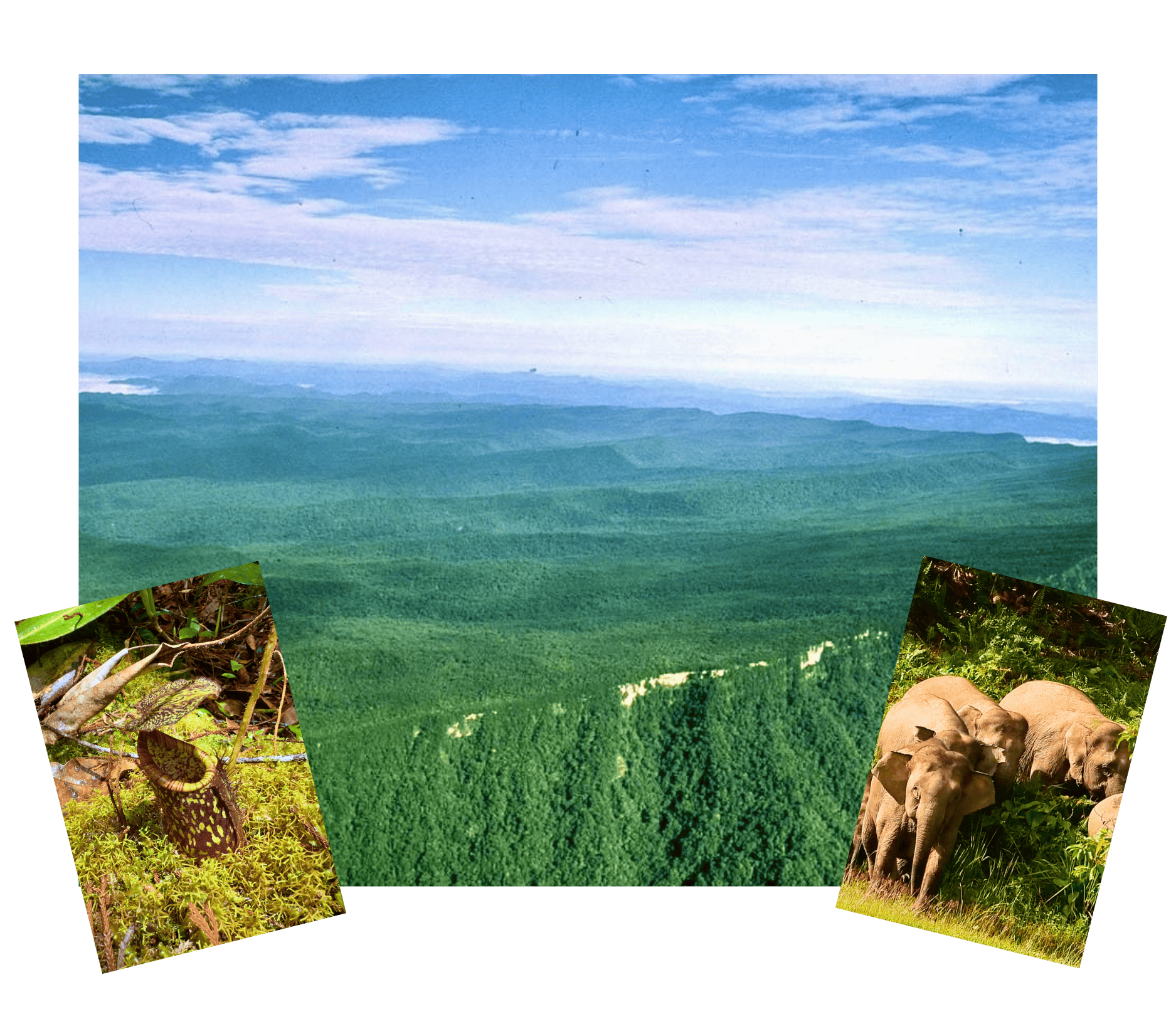
Hidden deep within the rainforests of central Sabah on the island of Borneo lies the Maliau Basin, a vast, saucer-shaped wilderness so remote it earned the nickname “Sabah’s Lost World.” Unlike many legendary landscapes revealed by ground expeditions, Maliau Basin announced its existence by accident – from the air.
A Discovery from the Air
The outside world first became aware of Maliau Basin in 1947, not through maps or exploration, but through a near disaster. A British pilot flying from Sabah’s west coast toward Tawau suddenly found his aircraft heading straight toward towering, forest-covered cliffs rising abruptly from the rainforest. Only just avoiding collision, he glimpsed what appeared to be a gigantic natural bowl hidden below. Encircled by steep escarpments, the basin had remained invisible and untouched for centuries.
The Struggle to Reach the “Lost World”
That brief sighting sparked curiosity, but reaching the basin on foot proved extraordinarily difficult. In the 1960s, a Geological Survey Department team reached the surrounding area but was unable to penetrate the basin itself. The mystery deepened over the following decades. During the 1970s and early 1980s, Malaysian scientific teams – including botanists and museum researchers—made repeated attempts to enter the basin, only to be turned back by brutal terrain, relentless weather, illness, and limited supplies. The jungle seemed determined to protect its secrets. Even today, only a fraction of the Maliau Basin has been explored, reinforcing its reputation as a hidden world that resists discovery.
Protecting paradise
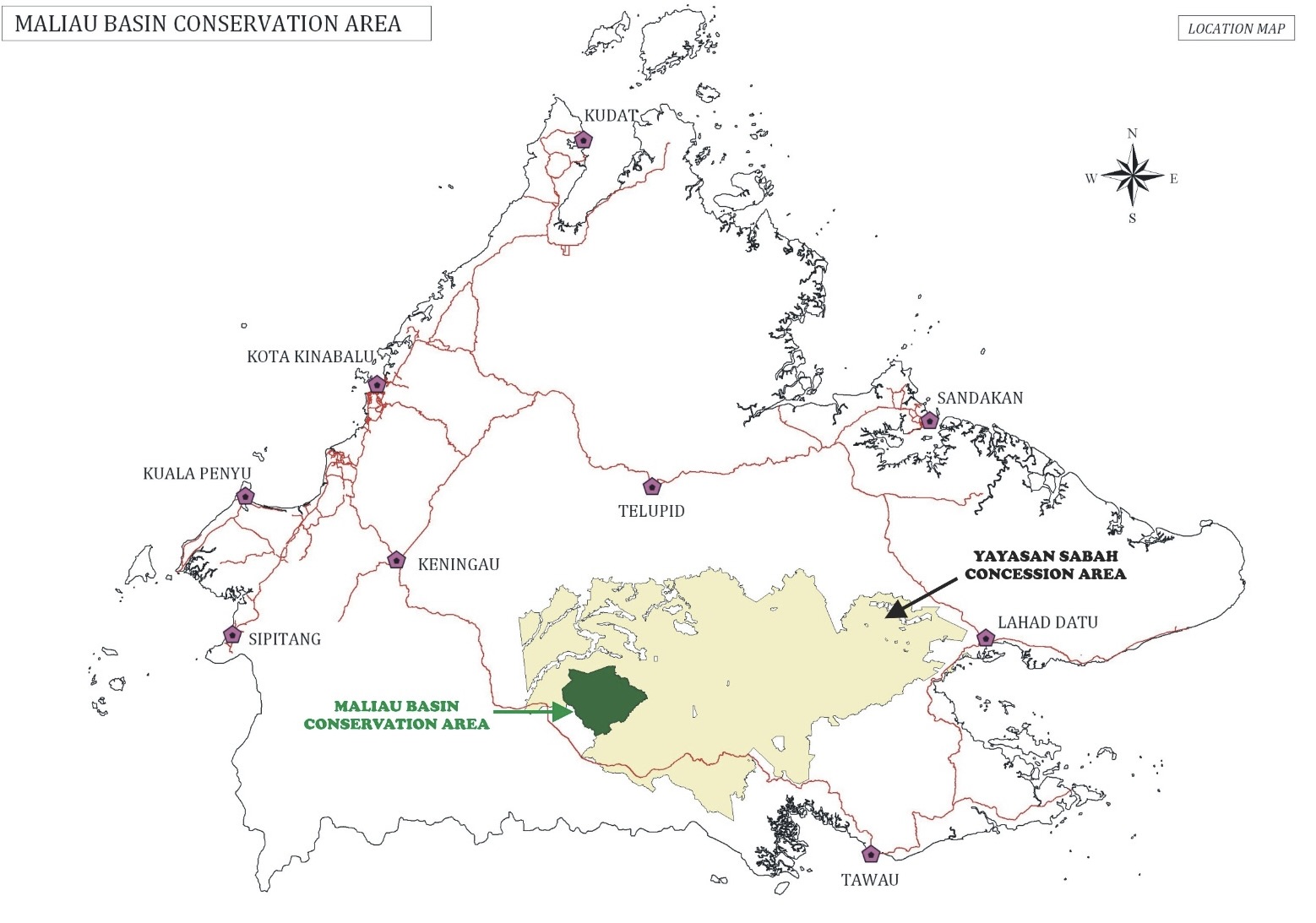
Recognizing the basin’s extraordinary ecological value, extensive conservation efforts began approximately 25 years ago. Yayasan Sabah spearheaded initiatives to establish comprehensive protection for this irreplaceable wilderness, transforming it into a world-class conservation area. The establishment required collaboration between government agencies, scientific institutions, and local communities committed to preserving this natural treasure. Today, ongoing efforts seek to nominate Maliau Basin alongside Danum Valley and Imbak Canyon as a UNESCO World Heritage Site, with anti-poaching patrols protecting the ecosystem from illegal activities.
A living laboratory
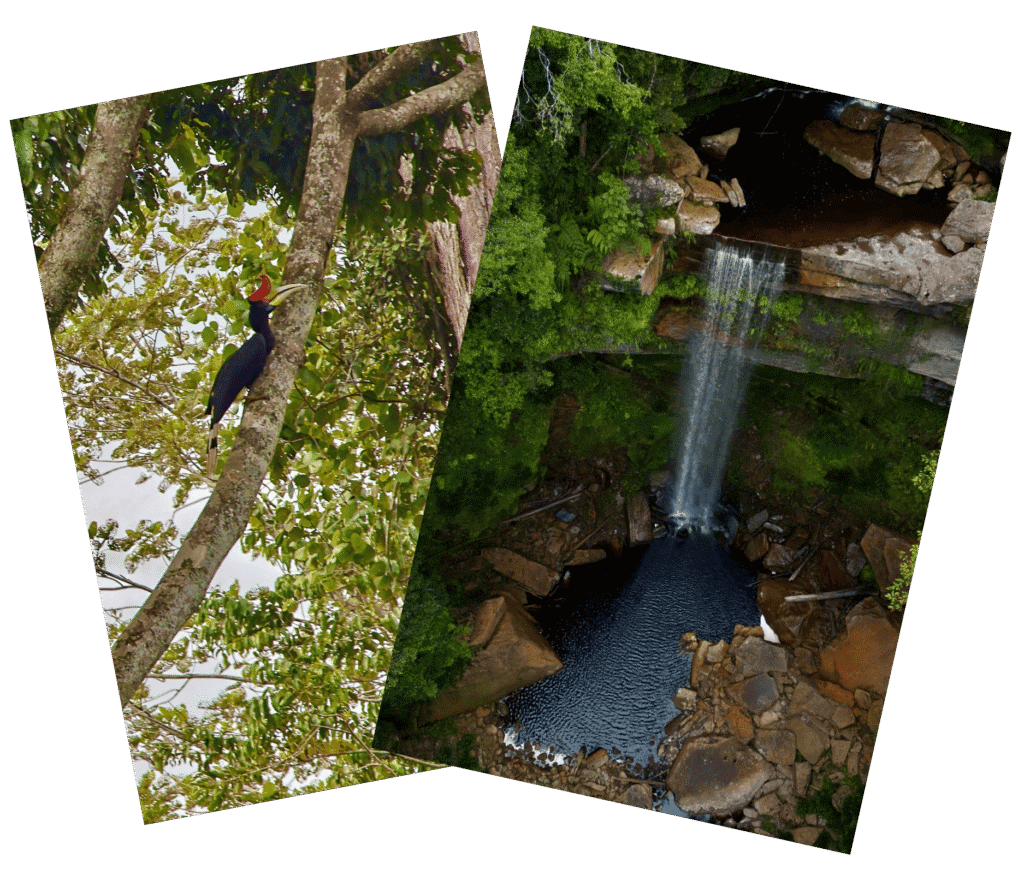
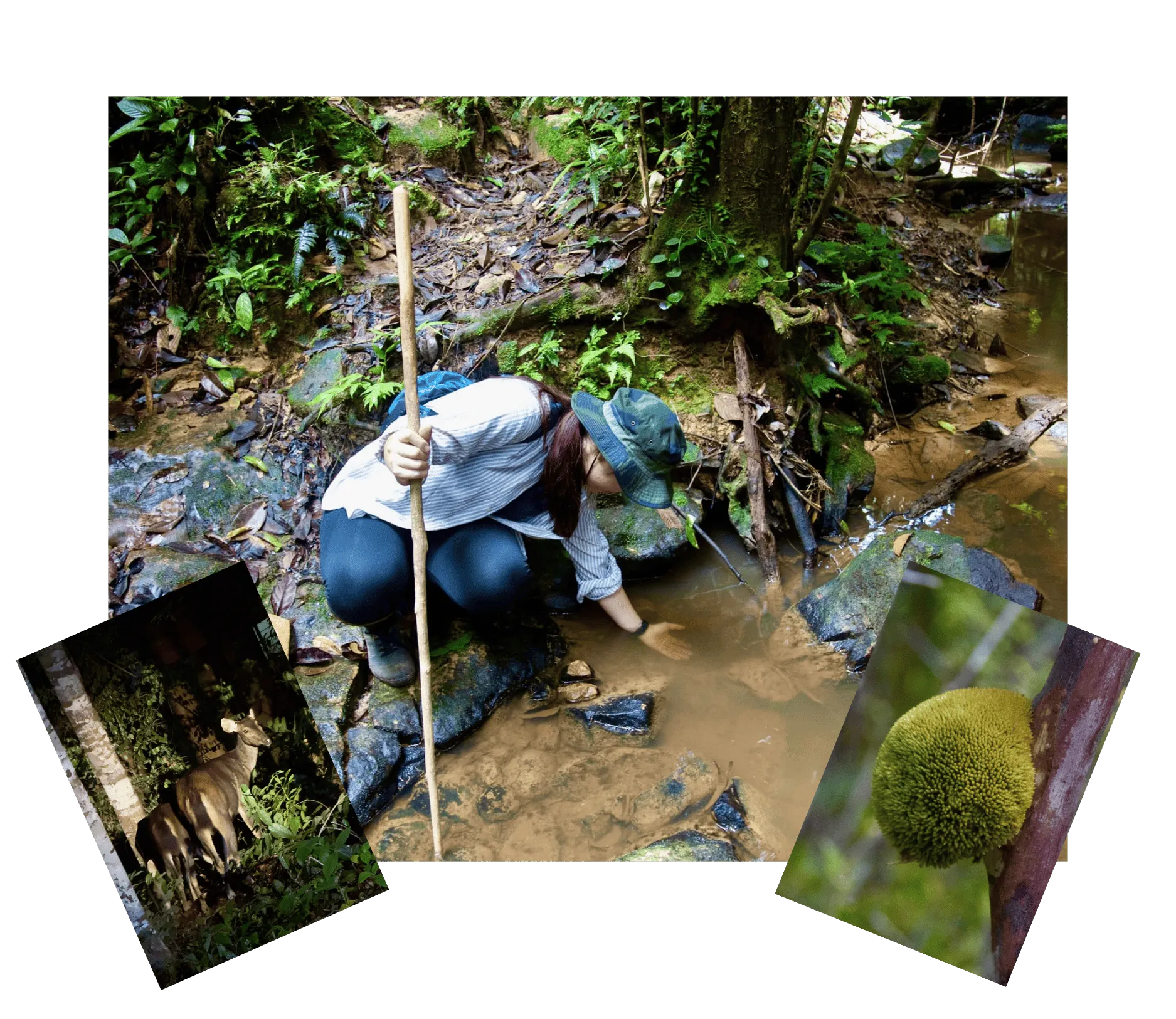
The basin’s unique geography created diverse habitats from lowland dipterocarp forests to montane cloud forests. With Malaysia’s highest concentration of waterfalls per unit area, including the magnificent seven-tiered Maliau Falls, it offers unparalleled opportunities for scientific research and conservation education. Home to rare endemic species, Asian elephants, orangutans, and over 270 bird species, this pristine ecosystem serves as a critical refuge for biodiversity while feeding the mighty Kinabatangan River system.
Why Maliau Basin is important
Untouched Forest
Maliau Basin is one of the few remaining areas virtually untouched by man—not just in Sabah and Malaysia but in the whole world!
Water Source
Is the catchment of one of the headwaters of Sabah’s largest and most important rivers – the Kinabatangan.
Plant Diversity
Scientific Value
Biodiversity Hotspot
Maliau Basin Conservation Area is also a fantastic birding destination for avid birdwatchers, photographers, and nature enthusiasts.
Unique Geology
Our mission today
Through partnerships with government, institutions, and communities, we continue protecting this ancient sanctuary. Every visitor becomes part of our conservation story, helping preserve Borneo’s Lost World for future generations. Our commitment extends beyond protection to active research, education, and sustainable tourism that demonstrates how conservation and community benefit can work hand in hand.